




















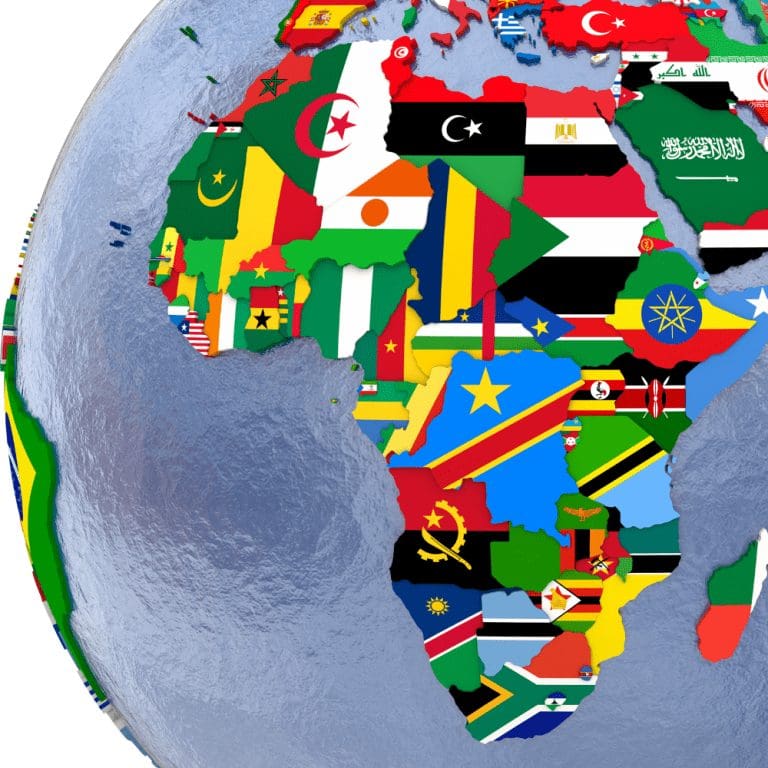
In recent years, Africa has witnessed several coups, reflecting a complex interplay of historical, political, economic, and social factors – the latest being a military coup in Gabon which aims to end 50 years of family rule in the Central African nation.
A coup d’état refers to the sudden, often violent overthrow of a government by a faction within the existing power structure, usually led by the military. These events are often driven by a combination of grievances, power struggles, Safety, lack of government confidence and the perception that the established leadership has failed to address the needs of the citizens.
To date, Africa has the largest number of military coups in the world.
Recent successful military coups in Africa
Mali
The Malian military removed President Ibrahim Boubacar Keita from office in August 2020, which led to anti-government protests due to the annulment of election results, alleged government corruption and lack of security of the economy and the people.
Chad
In April 2021, the late President Idress Deby was overthrown by the Chadian military. Deby’s son, General Mahamat Idress Deby, was elected interim president and to analyse the 18-month transition to election season.
The unconstitutional transfer of presidency, led to civil unrest in the capital city, N’Djamena, which was contained by the Chadian military.
Guinea
President Alpha Conde was overpowered by special forces commander Colonel Mamady Doumbouya, in September 2021.
Burkina Faso
Burkina Faso had two military coups in January and September 2022. In the first coup, the army removed President Roch Kabore, because they lost confidence in him managing conflict with the Islamist militant group in the country.
Niger
In July 2023, President Mohamed Bazoum was overthrown by the Niger military, led by the head of a regional political and security group.
They commanded a national closure of their boarders, a national curfew, and suspension of all government institutions.
Gabon
The most recent military coup taking place is in Gabon, in 2023. The Gabonese military declared their intention to overthrow the government and repealed the 2023 election results.
President Ali Bongo Ondimba is the elected president of Gabon for his third term in office.
He has been president since 2009 and is the son for the former president Omar Bongo, who was president from 1967 to 2009.
Should the government be overthrown, it will be the second successful military coup in Africa in 2023.
The Historical Context of African Coups
Most African nations have in-depth histories of colonization, exploitation, and internal conflict that resulted in power struggles, weakened institutions, and unresolved ethnic conflicts.
This historical backdrop has created avenues for coups to control the nation’s resources and governance.
These military coups can be attributed for various reasons, that may include:
Governance Issues
Widespread corruption, lack of accountability, and inadequate governance have often characterised African governments.
Coups can also emerge when citizens perceive their leaders are not addressing the public needs and create a hostile autocratic environment.
Economic Factors
Economic instability, unequal distribution of wealth, and extreme poverty can lead to unrest. In cases where the majority population is impacted by the economy are likely to support a coup to improve their livelihood.
Ethnic and Religious Conflicts
Ethnic and religious diversity in a country can be both a source of power and a point for territorial disputes.
When political power becomes closely associated with a particular ethnic or religious group, it can lead to exclusion and resentment among others.
Weak Institutions
Unstable state institutions, particularly in nations with recent histories of conflict, struggle to effectively manage power dynamics.
A power vacuum or a perceived lack of strong leadership can motivate military factions to seize control.
Unresolved Conflicts
Ongoing conflicts or civil wars can create economic and political instability that makes a country succumb to coups.
External Factors
International interests and interventions can influence domestic politics and contribute to instability.
Geostrategic considerations, resource exploitation, and regional rivalries can all impact the dynamics within a country, potentially increasing the likelihood of a coup.
Democratic Transitions
Countries transitioning to democracy might experience power struggles between the old regime and new political forces.
Coups can emerge as the incumbent elites seek to hold onto power or resist democratisation efforts.
Military Influence
In many African nations, the military is a powerful institution with a history of involvement in politics.
A military that perceives its interests as being threatened or sidelined might resort to a coup to protect its position.
Citizenship by Investment
With Africa displaying multiple coups in recent years, affluent Africans can become global citizens through global citizenship by investment (CBI) programmes.
Some CBI programmes are more prominent than others, depending on the benefits they offer African investors.
Alternative citizenship can create layer of safety and security for the wealth of their businesses and families.
The investment migration industry has grown recently, due to many factors such as political instability and deteriorating economic factors. Coups have negatively impacted the country’s economic development and the socioeconomic security of its people.
The Caribbean has quality CBI programmes for African investors to choose from. Some noteworthy Caribbean CBI programmes include:
St Kitts and Nevis
The oldest and most prominent Programme, St Kitts and Nevis CBI has been in the forefront in the investment migration industry for almost four decades.
Amendments have recently been implemented to ensure that the Programme remains strong and attracts affluent investors to become citizens of the host country.
The Programme has four investment options that serve various purposes in the country:
Sustainable Island State Contribution (SISC)
The SISC is designed to alleviate St Kitts and Nevis’s economic and social developments by prioritising seven pillars:


