










Foreign nationals that migrate to a foreign country are faced with difficulties when acquiring citizenship for themselves and their children. This is usually caused by numerous factors that affect citizenship being approved.
Foreign Families have difficulty acquiring citizenship in a foreign country
A Zimbabwean family had recent case in South Africa, having the Pretoria High Court reject their children obtaining South African birth certificates.
Their reasoning was backed by citizenship eligibility requirements in the country that the parents did not meet the requirements.
Citizenship in South Africa for families is one of many countries that is a complex and challenging process.
Families seeking citizenship in a host country are faced with a series of factors that impact the safety and security of their children’s future.
Citizenship Eligibility Requirements
Most countries have rigorous eligibility criteria for citizenship, which normally include evidence of family relationship, affordability, and language requirements. These conditions can be strenuous Limited for families, especially if there are weak relations between the family’s home country and the host country.
Let’s have a look at the different citizenship eligibility requirements.
Processing Times
The process of obtaining citizenship for family members can be pro-longed and unpredictable. Governments are often dealing with a backlog of applications, resulting in families waiting for a long time. This can impact the emotional and financial well-being for families during this period.
High costs
The financial aspect of the application process are often quite high. Application fees, possible tests and legal assistance can influence costs.
Limited Quotas and Caps
Various countries impose quotas or caps on the number of family citizenship grants issued annually. This limitation creates strong competition, for who can obtain citizenship.
Changing Immigration Policies
Immigration policies can change over time due to political, economic, or security considerations.
A policy shift, such as stricter immigration rules or reduced family reunification quotas, can adversely affect the chances of foreign nationals obtaining citizenship for their children.
Language and Cultural Barriers
Many countries require family members to demonstrate proficiency in the host country’s language and culture, this mostly occurs in European countries.
Differential Treatment
There are countries that differentiate between immediate and extended family members, offering more favourable immigration pathways to spouses and minor children compared to adult children or siblings.
Political and Social Factors
These factors can influence a family obtaining citizenship. Discrimination, xenophobia, or changes in government policy can impact the treatment of foreign nationals and their families.
These are some factors that foreign nationals face when attempting to secure citizenship for their families. There is a need for families to seek legal guidance and fully grasp the citizenship requirements in the host country.
Caribbean Citizenship by Investment Programmes
Some Eastern Caribbean citizenship by investment (CBI) programmes have recently made important changes to their programmes to maintain credibility in the investment migration industry.
Parents seeking opportunities to safeguard the future of their children have the opportunity apply for an Eastern Caribbean CBI programme. There is a plethora of opportunities for families to create safety and security for their children and investing opportunities.
Some of the best Caribbean CBI Programmes include:
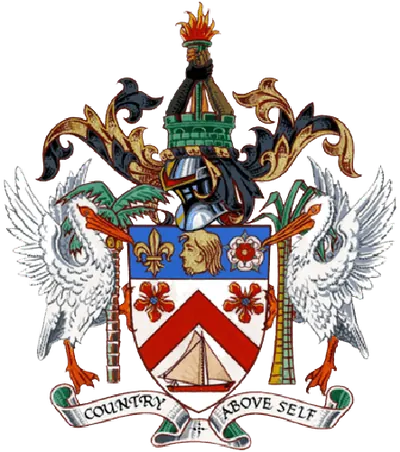
St Kitts and Nevis CBI Programme
Established in 1984, the St Kitts and Nevis CBI Programme is the first and finest. The twin island federation has been operating for almost four decades and is one of the most trusted CBI Programmes in the world.
There have been key updates to the regulations and this CBI Programme now has four distinct investment options:
Sustainable Island State Contribution (SISC)
The SISC focus is on the economic and social development projects in the country and has seven pillars which are as follows:
- Increasing local food production;
- Transitioning to Green Energy;