












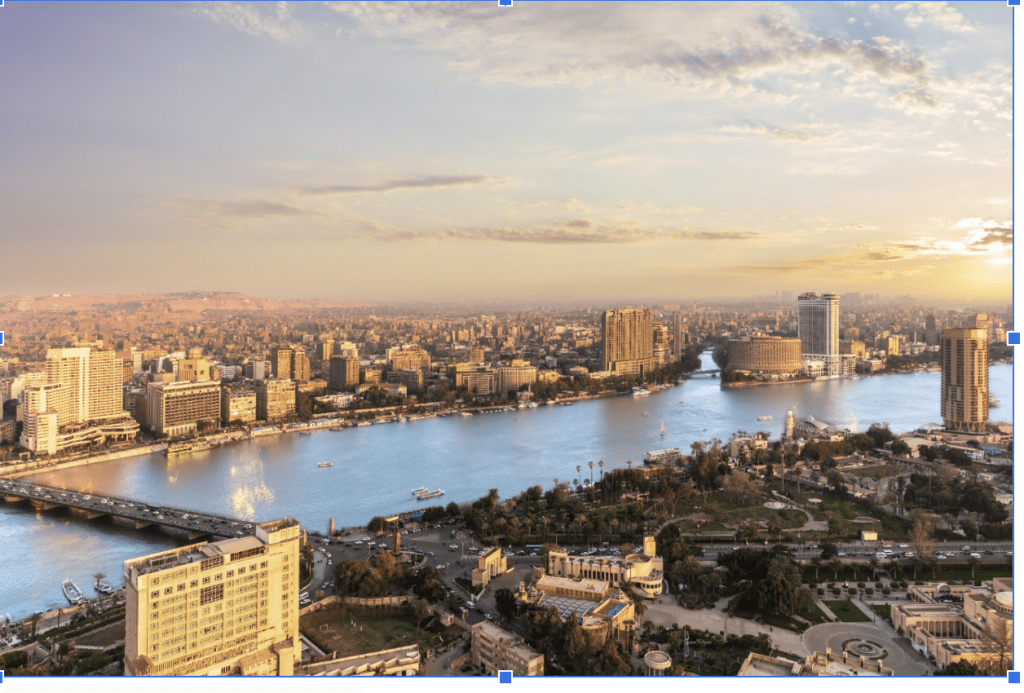
For years, Egypt, like much of Africa, has been overlooked in global mobility and citizenship rankings. The 2025 Africa Report presents a different story, one of a continent undergoing subtle yet meaningful change.
Backed by IMF-supported structural reforms and heavy investment in projects such as the New Administrative Capital and Suez Canal expansions, Egypt is positioning itself as a key North African hub, as per the 2025 Africa Report by CS Global Partners.
The report further noted that Cairo’s reform agenda is ambitious, and between May 2022 and December 2024, it has introduced newly 500 structural reforms to modernise the business environment. This has further streamlined investment processes under the State Ownership Policy.
“If sustained, these reforms could eventually strengthen Egypt’s standing in areas such as passport power, investment appeal, and economic opportunities. For now, Egypt may not yet be a prime destination for outbound mobility, but hold growing potential as a regional connector,” the findings of 2025 Africa Report further added.
This mini-series ranks African countries on key factors such as economic stability, quality of life, mobility, and investment appeal. It also focuses on Africa’s unique strengths and challenges. The report further highlights the continent’s growing role in the global citizenship and mobility space.
“With the Africa Report, we sought to reframe the narrative around a continent often overlooked in global citizenship discussions. While progress varies, Africa’s resilience and adaptability remain defining strengths. Egypt’s steady reform agenda exemplifies this momentum, positioning it as a key regional bridge. Collectively, these shifts highlight Africa’s growing role in shaping the global mobility and investment landscape,” said Micha Rose Emmett, CEO of CS Global Partners.
The report further highlighted that Egypt’s trajectory reflects a broader theme emerging from the 2025 WCR: adaptability. Across the continent, some nations are advancing steadily through legal, policy, and economic reforms, while others are evolving more gradually. This diversity highlights the complexity of Africa’s growth narrative.