















The United States has remained firmly in the global spotlight in 2026, with the FIFA World Cup drawing record crowds across the country. Yet, alongside the international attention, a different trend is emerging among wealthy Americans, an increasing interest in additional citizenship as a form of long-term planning and diversification.
According to the USA Spotlight 2026, US nationals accounted for nearly one-third of all citizenship applications processed globally in the first quarter of 2026, making American demand a defining feature of the citizenship market this year.
The trend comes at a time when the United States continues to demonstrate considerable economic strength. At the same time, the report points to growing uncertainty among affluent Americans about relying on a single citizenship.
The FIFA World Cup provides a striking contrast. The tournament, co-hosted in the US during June and July 2026, had already surpassed 3.6 million spectators, with stadium occupancy reaching 99.7%, according to the report. The figures underline the country’s continuing ability to attract people and global attention.
However, the report suggests that international prominence does not necessarily eliminate the desire for greater personal optionality.
Americans increasingly view second citizenship as a hedge
The report describes the trend not as an exodus from the United States but as a “hedge” rather than an exit. Families acquiring an additional citizenship are generally retaining their existing nationality while creating the ability to relocate, educate children or establish a business elsewhere if circumstances change.
Business and professional opportunity was identified as the leading present-day motivation for seeking additional citizenship, at 29.9%, followed by investment diversification at 24.5% and tax efficiency and wealth structuring at 22.3%. Family security and generational protection emerged as the leading strategic benefit when respondents considered the purpose of a second citizenship.
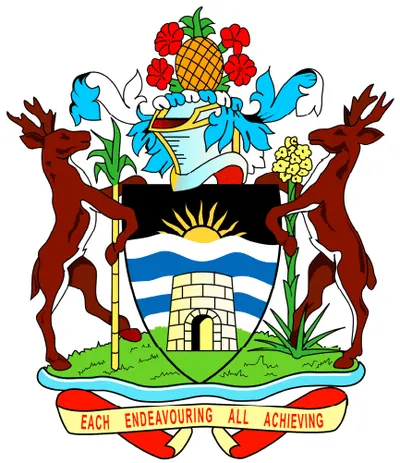
The Caribbean has consequently emerged as a major destination for Americans exploring these options. The report says American applications to established Caribbean Citizenship Programmes reached record levels through 2025 and into 2026. US nationals accounted for around half of Antigua and Barbuda’s applicants in the early part of 2026, compared with roughly a quarter during 2025.
Demand grows despite tighter requirements
The increase in American demand has also occurred as Caribbean programmes have strengthened their requirements. Reforms introduced during 2025 and 2026 included mandatory interviews, biometric requirements, higher minimum investment thresholds of approximately US$200,000 to US$250,000, and enhanced due diligence.
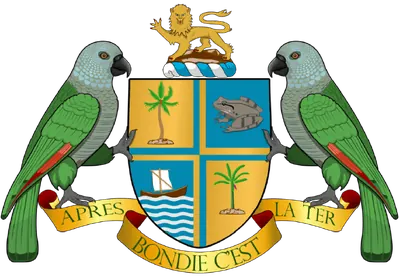
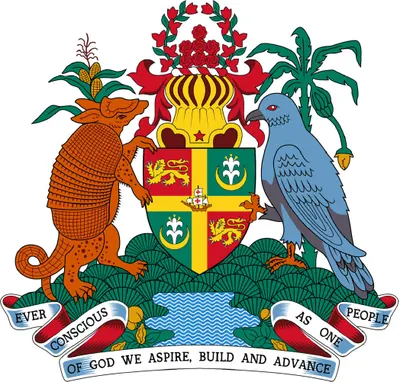
The report identifies St Kitts and Nevis, Dominica, Grenada and Saint Lucia, alongside Antigua and Barbuda, among the Caribbean programmes most frequently considered by American families in the period covered.
The report’s central finding is therefore not that wealthy Americans are abandoning the United States. Rather, it describes a growing willingness to diversify citizenship while continuing to maintain existing ties to the country.
With the FIFA World Cup showcasing America’s ability to command global attention in 2026, the simultaneous rise in demand for additional citizenship highlights a more complex picture: the United States remains a major centre of economic opportunity and global influence, while some of its wealthier citizens are increasingly building international options for themselves and future generations