












According to the World Citizenship Report 2025 (WCR), HNWIs are treating second citizenship not as a status symbol but as a strategic safety net amid an increasingly unstable global landscape.
From Privilege to Lifeline in a Volatile Era
The concept of investment migration has transformed as it was often dismissed as an indulgence or convenient perk for the wealthy. However, in today’s world with global volatility transitioning from a temporary condition to a sustained state of affairs, the concept has changed.
Back then, freedom of movement, security and stability were taken for granted and now securing an alternative citizenship has shifted from a mere luxury to an urgent necessity for long-term security.
The World Citizenship Report findings discovered that the HNWIs are typically willing to part with a substantial fee in exchange for the potential safety, economic, and societal benefits given by the country offering citizenship or residency.
Micha Rose Emmett, CEO of CS Global Partners, described alternative citizenship as a lifeline, noting that while it was once considered a luxury or a convenience, that perception has now changed.
“Over the years, from vibrant capitals of wealth and opportunity to places plagued by political and economic instability, one thing became unmistakably clear to me: access to second citizenship is not a privilege, it’s a lifeline.”
Drivers of Investment Migration 2.0
Multiple forces are propelling this new wave of investment migration.
Geopolitical Shifts
The first one included security concerns and geopolitical shifts which is the top driver for investment migration. Heightened anxiety over conflict and political instability is pushing HNWIs to seek a “plan B” in different jurisdictions.
Governance Factor
The second one is that ideological and governance factors are increasingly influencing where global citizens plant roots. The WCR finds that HNWIs today pay closer attention not just to what a passport can do for them, but what it stands for.
“Migration decisions are no longer driven purely by opportunity or safety, but by alignment with legal values, institutional predictability, and systems of governance,” the report notes.
In practice, this means investors are scrutinising issues like rule of law, media freedom, and political stability. For example, emerging economies such as China and India climbed the WCR’s rankings for Economic Opportunity this year. However, some investors remain wary of those countries’ transparency and governance record.
Instead of simply chasing growth, many are seeking jurisdictions that reflect their values and offer reliable institutions. Th widening divide between Western democracies and blocs like BRICS+ have sharpened the trend. This is because of the factor that globally mobile families hedge their bets by gaining footholds in both spheres.
Exposure to multiple regions, say, HNWIS views a base in Europe and an option in Asia or the Middle East as critical to “future-proofing wealth and family life” against geopolitical swings.
Quality of life
Equally important are economic and quality-of-life motivators. Stubborn inflation and rising taxes have prompted many to reassess where they want to live and invest. Cost of living and access to reliable healthcare, education, and infrastructure now weigh heavily in these decisions.
The WCR 2025 highlights a “sharpened focus on cost of living, quality of life, and access to essential services” among those considering alternative citizenship. In both the global North and South, worries about currency stability, housing affordability and the sustainability of pensions are driving interest in alternative citizenship. These factors have also driven an interest in the countries that promise long-term financial stability and robust public infrastructure.
Climate Readiness
Underpinning all of these factors is the looming shadow of climate change. Environmental considerations have made their way into migration decisions like never before. The concept of quality of life has expanded to include climate resilience and air quality as key metrics. The metrics have effectively reframed it as a measure of “future-readiness”.
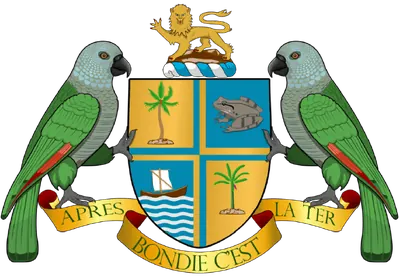
This concern has boosted interest in nations proactive about sustainability. Regions like the Caribbean have emerged as leaders in climate-smart policies, for example. The WCR notes that St Kitts and Nevis and Dominica, offering Citizenship by Investment have prioritised eco-friendly growth. These countries now ranked in the top third of global citizenships in the index.
Such countries appeal by offering not just mobility benefits but also a commitment to environmental stewardship. For many globally minded families, “migration is no longer about financial arbitrage; it is about protecting lifestyle, health, and legacy in a world where volatility is the new constant”.
Small States, Big Appeal: The New Safe Havens
According to the WCR 2025, a quiet revolution among small states is reshaping the investment migration map. From the Caribbean to the Mediterranean and even the Indian Ocean, agile smaller nations are leveraging their size to offer nimble, investor-friendly and sustainable havens.
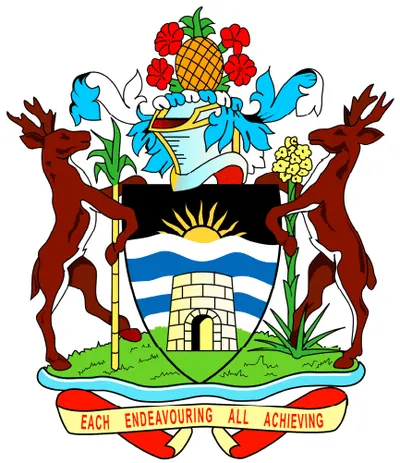
These states such as Antigua and Barbuda, Malta, Montenegro, Mauritius and others have learnt to “punch above their weight” economically and geopolitically. Many participate in innovative regional diplomacy and climate initiatives. It has signalled that size is no longer a barrier to global relevance.
Whether it’s an alternative citizenship, or simply the legal right to live and work in multiple places, mobility is power. The true value of global citizenship was pointed out by the WCR 2025. As per the report, lies not just in where you can go, but in what kind of future you can build once you arrive.
In an era defined by uncertainty, investment migration has moved from the realm of luxury into the realm of necessity. It offers a measure of control and optimism to those navigating an unpredictable world.