













In an age of geopolitical volatility and heightened financial scrutiny, investors are no longer chasing the lowest investment thresholds or the fastest timelines.
Instead, they are seeking jurisdictions that prioritise integrity, transparency, and world-class vetting standards. For many high-net-worth individuals, citizenship has become a long-term security and the programmes built on strong reputational foundations are now the ones commanding the highest demand.
Our World Citizenship Report 2025 also talked about the behavioural shift, findings discovered that modern global citizens now evaluate jurisdictions not simply for citizenship strength, but for “stable, high-quality living” supported by robust governance and security.
The report noted a “growing ideological self-awareness among globally mobile investors,” who assess citizenship through the lens of values, legal predictability, and rule of law, not just mobility or economic opportunity.
Citizenship today has become a tool for resilience, freedom, and purposeful engagement with the world, no longer a transactional document. The evolution itself explains why investors increasingly go for jurisdictions that treat citizenship as a responsibility rather than a commodity.
Why Reputation and Due Diligence Now Drive Investor Trust
The global environment is volatile, marked by geopolitical conflict, regulatory tightening, rising compliance standards, and heightened AML/CTF enforcement. Against this backdrop, investors are acutely sensitive to reputational risk. The jurisdictions prioritising strong due diligence send a clear signal that they are safe, future-ready destinations aligned with international expectations.
This trend is amplified by failures seen elsewhere. Across the world, several citizenship programmes collapsed due to weak oversight, inadequate vetting, or allegations of misuse. Cyprus shut down its CBI programme in 2020 after an EU investigation revealed loopholes in its vetting processes. The country has also started its new Golden Visa, also known as Investor Immigration Permit with enhanced due diligence standards.
Bulgaria terminated its investor citizenship scheme after repeatedly failing to address EU concerns about insufficient due diligence. Moldova suspended and later dismantled its programme after warnings tied to transparency and applicant verification.
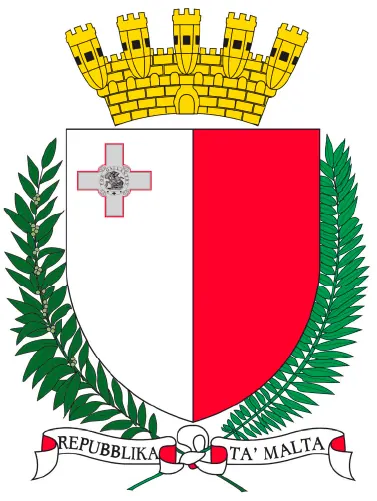
More recently, the EU announced the ruling against Malta’s Individual Investor Programme, declaring that selling citizenship without genuine links violates EU law and opens security vulnerabilities. However, Malta launched its Citizenship by Merit Programme, citing that the programme will meet all due diligence standards.
These cases have reshaped investor expectations. Instead of chasing quick approvals, investors are now gravitating toward the programmes that prioritise multi-layered checks, international intelligence cooperation, biometric verification, and strict monitoring. Such features assure applicants that their citizenship is not only legally secure but reputationally durable.
Investors Choosing High-Reputation Jurisdictions
The WCR’s findings outlined why certain jurisdictions are emerging as preferred destinations. Investors overwhelmingly favour countries associated with political security, environmental responsibility, strong institutions, and quality governance.
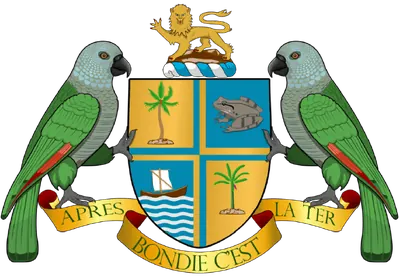
The WCR highlights that Caribbean nations like St Kitts and Nevis and Dominica have become leaders in “sustainable policies,” with citizenship programmes oriented toward enhanced due diligence and integrity. These reputational strengths reinforce trust and make such jurisdictions more attractive to investors seeking long-term stability.
Investors want jurisdictions where legal protections are strong, rule of law is respected, and institutions are predictable. Global citizens increasingly seek countries that offer “well-functioning societies with strong governance and resilience.
Importantly, the rise of investor caution is accompanied by a rise in state caution. Governments, aware of international scrutiny, are increasingly selective about whom they admit. This creates a reciprocal trust cycle as investors trust jurisdictions that conduct strong vetting, while jurisdictions strengthen their reputation by admitting responsible global citizens aligned with their national interest.
Heightened Scrutiny Has Reshaped the Investment Migration Industry
The investment migration industry is undergoing a structural shift. Programmes that once operated with minimal oversight now face pressure to modernise, reform, or exit entirely. International bodies, including the EU, OECD, and FATF, have emphasised the need for robust due diligence, transparency, and integrity.
As the WCR explains, citizenship decisions today are driven by both practical security concerns and broader value alignment, with global citizens increasingly demanding certainty and resilience. Investors observe regulatory tightening and political backlash, prompting them to prioritise the programmes that demonstrate long-term credibility.
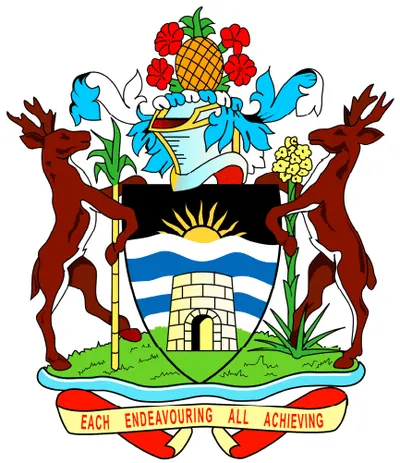
This new era has widened the gap between reputable, well-regulated programmes and those unable to meet modern expectations. The countries that have embraced stronger due diligence, notably St Kitts and Nevis, Dominica, and Antigua and Barbuda, have strengthened their global reputations and, in turn, become more appealing to investors who value long-term legitimacy over short-term convenience.
The global market for citizenship is being shaped not by convenience or lower investment but by trust. Investors are gravitating toward jurisdictions that provide transparent governance, strict security protocols, and responsible citizenship programmes.