
















A new ethos is emerging, one that values social return as much as financial return. Today’s high-net-worth individuals are seeking more than enhanced mobility or business advantages; they want their investments to be part of something greater. They are choosing to align their capital with programmes that drive long-term, sustainable change.
This transformation is redefining the investment migration landscape. CBI is no longer a one-way path to citizenship, it is a collaborative platform that empowers nations while offering investors a chance to be part of a purposeful legacy. It is not just about obtaining a second nationality; it is about contributing to a better, more resilient world.
The World Citizenship Report 2025 also highlighted the new growing shift in the perception of citizenship. It noted that individuals and countries globally are increasingly viewing citizenship as a means to mitigate unpredictability and systemic risk.
“Today, global citizens seek to contribute to societies that share their values in governance, sustainability, education, and inclusion, not just benefit from them,” World Citizenship Report 2025.
Governments, in return, are aligning their CBI programmes with sustainable development goals, ensuring that the social return on investment is as much a priority as financial ROI. It has given birth to a new paradigm known as citizenship with a conscience, where the privilege of a citizenship comes with the purpose of uplifting communities and funding critical social initiatives.
Citizenship with a Conscience
A growing number of global investors are prioritising ethical and impact-driven opportunities when considering second citizenship. According to a 2024 sustainable investing report, 77% of investors expressed interest in investments that yield environmental or social benefits alongside financial returns.
This trend is evident in the CBI industry, where applicants increasingly seek programmes that “combine financial success with a meaningful legacy” of contribution.
In other words, today’s investment migrants want to ensure their money makes a difference. This ethos has been dubbed “citizenship with a conscience” reflecting a mindset shift from pure personal gain to social benefits.
The World Citizenship Report 2025 added, “The concept of citizenship is no longer confined to legal status or travel privileges. It increasingly represents a vehicle for resilience, opportunity, and purposeful global engagement”.
How CBI is Powering Social Impact in 2025
CBI programmes have become powerful engines for social impact in many small nations, especially in 2025 as Environmental, Social, and Governance (ESG) principles take centre stage.
By design, when applicants make the required donation to investment options of the programmes, the funds facilitates development projects in the host country. This means every dollar contributed aims to build infrastructure, strengthen healthcare systems, improve schools, and otherwise uplift the community.
Notably, social sectors like healthcare and education are reaping the rewards of CBI funds. In several Caribbean countries, CBI funds helps in building new hospitals, upgrading medical facilities, and improving schools, directly contributing to a higher quality of life for citizens.
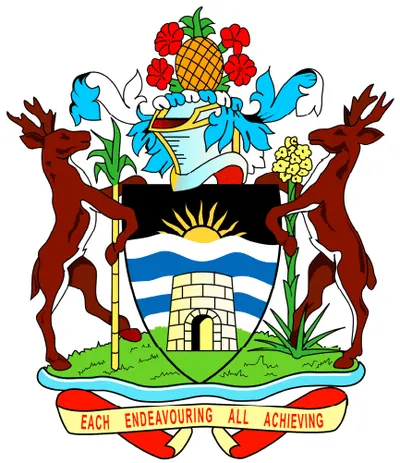
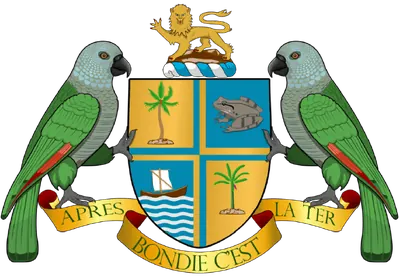
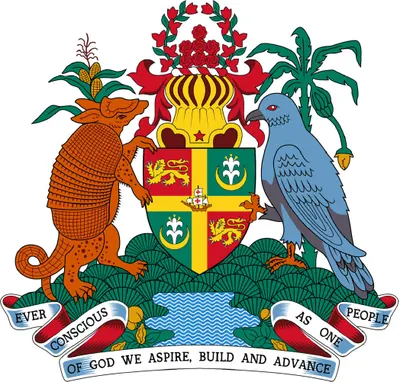
For many small nations, CBI has long been an economic lifeline, driving infrastructure development and social progress. For instance, the Citizenship by Investment Programmes have driven resilience growth in the countries such as Dominica, St Kitts and Nevis, Grenada and Antigua and Barbuda.
These tangible improvements not only enhance social welfare but also foster greater economic inclusion, healthy, educated communities are better positioned to thrive.
The World Citizenship Report 2025 also pointed out the same and noted, “Nations that leverage CBI revenues for human development, particularly education, healthcare, and infrastructure, not only attract more conscientious investors but also strengthen the long-term resilience of their societies”.
Government Initiatives for Social Impact Funded by CBI
Around the world, governments are launching bold initiatives funded largely by CBI inflows, explicitly linking citizenship revenue to social programmes. In fact, for some nations these programmes have become financial lifelines for public development.
Dominica’s CBI programme has been a standout example with proceeds used to finance climate-resilient housing, healthcare improvements, and education investments. The country has directed CBI funds to construct over 1,500 hurricane-resistant homes, bolstering community resilience against natural disasters.
The country has vowed to become “World’s first climate resilient nation” and the goal has transformed CBI into a powerful tool for national development that supports long-term, sustainable development for everyone involved.
Other governments have carved out special funds or options within their CBI schemes that tie directly to economic and social good. St Kitts and Nevis, which pioneered CBI in the 1980s, recently introduced the Sustainable Island State Contribution (SISC) Fund as a path for applicants. This fund channels investments into seven strategic pillars of national growth, notably including healthcare and education alongside sustainable industries.
The WCR 2025 also said that regions such as the Caribbean have emerged as leaders in developing sustainable policies. Countries such as St Kitts and Nevis and the Commonwealth of Dominica have prioritised eco-friendly economic growth, ensuring their citizenships offer both global mobility and environmental consciousness.
“Beyond economic growth, nations ranked highest in quality of life were those investing in education, healthcare infrastructure, and environmental sustainability, factors that global citizens increasingly prioritise when choosing where to invest or reside,” said the report.
Aligning Purpose with Privilege
The intersection of impact and citizenship in 2025 highlights a broader realignment: aligning purpose with privilege. Obtaining a second citizenship has always been a privilege, a fast-track to rights and opportunities usually reserved for natives.
Now, both investors and countries are ensuring that this privilege carries a greater purpose. On the investor side, wealthy individuals are increasingly conscientious about the legacy their money leaves.
Many see CBI not just as a personal safety net or lifestyle upgrade, but as a chance to contribute to something meaningful, whether it’s building a new paediatric wing in a hospital or helping a small nation combat climate change. Impact investing and investment migration are converging, giving rise to “impact citizenship”.
Building on this insight, the report highlights a significant evolution in how citizenship is perceived. “As global threats evolve, the concept of citizenship has shifted from a static identity to a dynamic asset”.
The WCR also noted that the evolving of citizenship goes beyond the symbolic or even the transactional to become strategic, empowering individuals and the country to proactively build resilience into their lives, rather than treating it as an afterthought.