
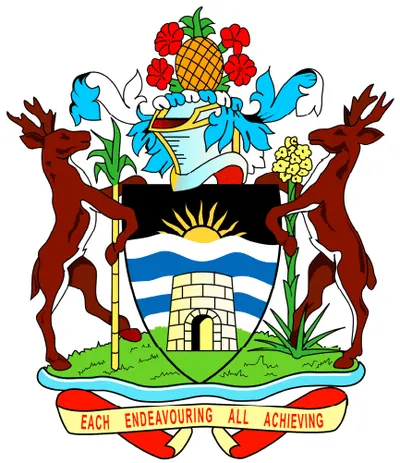

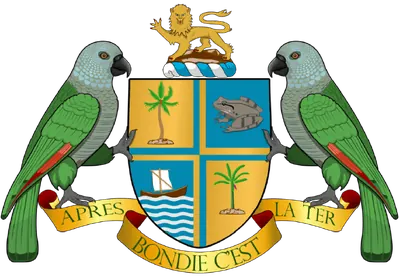

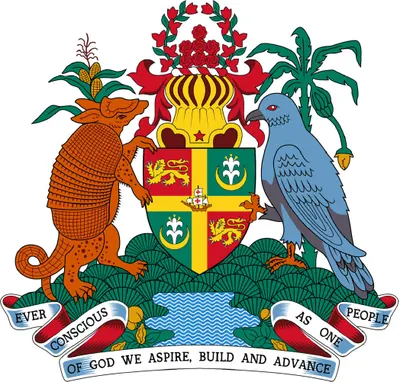

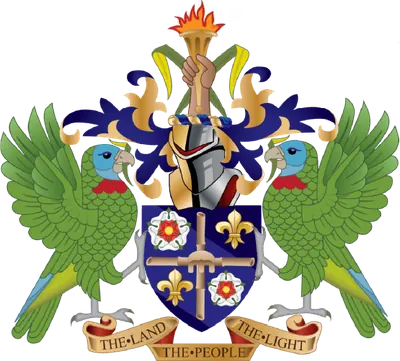











The World Citizenship Report 2025 also talked about the transition and noted that the concept of global citizenship is being redefined,“It has evolved from a legal marker into a multifaceted tool for resilience, freedom, and purposeful engagement with the world.”
The shift is driven by policy innovations and global trends that are now viewing citizenship as a strategic asset to enhance development and stability for countries and high-net-worth-individuals (HNWIs). The advantages that are offered by citizenship have also evolved with time and transitioned from broader economic opportunities to safety and stability in times of crisis.
Driving Economic Growth Through Global Citizenship
In today’s world, citizenship has started playing a direct role in economic growth with the investment of investors into the country. The Citizenship by Investment (CBI) Programmes allow HNWIs to obtain citizenship in exchange for making a significant financial contribution through different investment options.
For many countries, especially in the Caribbean, the funds generated by the CBI have driven economic growth. For instance, Dominica has used the CBI funds to rebuild infrastructure after Hurricane Maria, finance climate-resilient housing projects, and expand healthcare services. The government of Dominica also stated that CBI has been the primary source of funding for thousands of new homes and schools, helping reduce reliance on external loans.
In St Kitts and Nevis, one of the oldest CBI programmes, the funds from citizenship have supported stability and diversification projects in tourism and energy.
Beyond immediate fiscal benefits, CBI programmes stimulate economic activity through foreign direct investment. Real estate contributions, for instance, create jobs in construction, tourism, and hospitality. Additional spending by new investors on local goods and services also supports small businesses and employment.
The World Citizenship Report 2025 added that people view citizenship as a capital, a mechanism through which individuals and states access markets, talent, and resources for growth.
Stability, Security, and Resilience Benefits
Amid global instability, whether conflicts, political turmoil, or natural disasters, citizenship has taken on a new role as a personal and collective safety net. For individuals, an alternative citizenship or residency rights abroad can quite literally be life-saving.
High-net-worth individuals are increasingly viewing multiple citizenships as a hedge against uncertainty. If conditions deteriorate in one country, an alternative citizenship provides a fallback option, the ability to relocate to a safer environment or access consular protection.
“Access to a second citizenship is not a privilege, it’s a lifeline,” WCR 2025.
On the national level, many small countries are leveraging CBI Programmes to bolster their resilience. Several climate-vulnerable island states, for instance, use citizenship revenues to fund adaptation and insurance against natural disasters.
Access to Education and Knowledge Networks
Citizenship also unlocks access to education and human capital development on a global scale. Families often pursue dual citizenship or overseas residency to broaden educational opportunities for their children. With a second citizenship, students can attend schools and universities abroad more easily, sometimes at significantly reduced cost, and gain exposure to diverse skills and ideas.
The World Citizenship Report noted, “Quality of life, including access to education and healthcare, is now the leading motivator for pursuing alternative citizenship.” It drives advancement by opening doors to education.
The WCR found that 36.9% of HNWIs rank quality of life, including education, as their top motivator in seeking second citizenship. Families pursue new nationalities so children can access better universities, lower tuition fees, and international career networks.
In addition to that, the EU’s framework ensures that citizens can study in any member country at the same cost as locals, widening access to education across borders. International students who become citizens often contribute to innovation and research in their host countries, strengthening human capital globally.
Citizenship as a Strategy for Global Development
As the 2025 World Citizenship Report notes, the Citizenship is something which helps in “empowering individuals to proactively build resilience into their lives” and as a means for states to build more robust, globally connected economies.
In a world confronting climate change, geopolitical fragmentation, and rapid technological shifts, the agility afforded by strategic citizenship can be a stabilising force. It allows both people and nations to adapt: to pivot economically, to seek sanctuary, to collaborate across borders in solving common problems.