








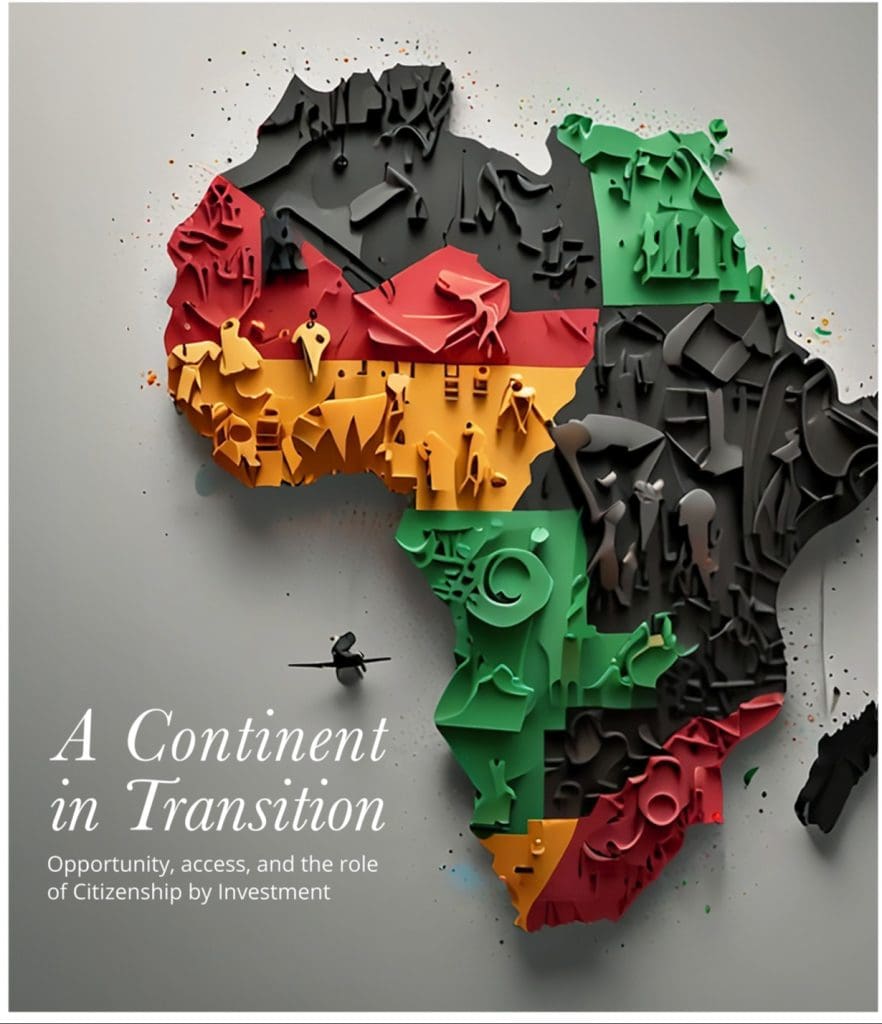
The Africa Report Mini Series, a core component of our 2025 World Citizenship Report, referred to Africa as a dynamic frontier for global mobility and opportunity.
The report revealed that the African continent is in a transformation stage, where some nations surge forward with bold reforms, while others navigate challenges of progress and stagnation. These insights illuminate how key factors shape the choices of high-net-worth individuals, guiding their decisions on where to live, invest, or relocate.
While showcasing the widening gap between aspiration and opportunity, our Africa Report also shed light on the governance volatility, limited global mobility and economic fluctuations in the continent that have forced HNWIs to seek alternative citizenship. They see the second citizenship as the chance to secure their assets along with access to long-term resilience.
In the Africa Report 2025, the top position was secured by Mauritius, followed by Seychelles and Cape Verde in second and third position respectively. However, the countries including Mozambique, Congo and Chad secured the bottom position in the continent.
Economic Power vs Global Access
According to the Africa Report 2025 by CS Global Partners, Africa’s largest economies are not its most competitive citizenships. South Africa, Africa’s most industrialised state, stands at 102nd globally despite showing a recent rebound in rankings. The country has regained investor interest internationally, yet domestic instability and policy unpredictability continue to undermine confidence
Nigeria, Africa’s most populous nation and biggest economy by GDP, remains locked out of global mobility and security gains. As a result, its business class is increasingly looking outward. Similarly, states like Sudan (157th), Somalia (152nd), and the Central African Republic (153rd) continue to grapple with instability that severely constrains mobility and wealth protection.
All these rankings underscore the rising demand among high-net-worth individuals (HNWIs) and professionals for second citizenship or residency solutions as hedges against domestic limitations.
The report notes that these conditions are driving demand for investment migration programmes in the Caribbean and select Middle Eastern jurisdictions, where HNWIs can secure easier travel, business expansion routes, and legacy planning opportunities through alternative citizenship.
Demand for Second Citizenship
As Africa continues to open up to global investment and digital transformation, alternative citizenships and residencies are becoming more than luxuries but rather tools of economic access. For African investors and professionals, acquiring a second citizenship opens doors to global markets, business, and education opportunities.
The report suggested, “For governments, it presents a new revenue stream and a chance to build credibility. Programmes across the Caribbean, Middle East, and even Africa are increasingly tailoring their offerings to this growing African demand, recognising the continent’s wealth, ambition, and global aspirations”.
Africa’s diaspora, one of the most globally dispersed and economically active, continues to drive interest in global mobility tools. From Caribbean citizenship to EU Golden Visas, seeking both return pathways and external opportunity.
Turning Potential into Performance
Africa’s future in the global mobility landscape is neither fixed nor predetermined. The 2025 WCR shows that the continent is full of contrasts, high-performing smaller nations alongside underperforming powerhouses, with progressive reformers contrasted by those lagging behind. Yet across the board, there is a shared hunger for progress, inclusion, and opportunity.
The countries that succeed will be those that not only attract foreign investment but also empower their citizens, at home and abroad, to fully participate in the global economy. On this, Africa Report 2025 added, “Africa boasts the world’s youngest population, vast untapped resources, and a growing tech-savvy middle class that could dramatically shift mobility and opportunity rankings in the coming decade.”
For forward-looking African nations, global citizenship frameworks, investment migration, and visa liberalisation aren’t luxuries but strategic tools for economic inclusion, global integration, and future-proofing national resilience.