














For decades, globalisation was the engine driving economic growth, prosperity, and international mobility. Borders became increasingly porous, allowing capital, trade, and people to move freely. But today, a new reality is unfolding—one where economic fragmentation is replacing integration. Protectionist policies, geopolitical tensions, and national security concerns are reshaping the global economic order, creating uncertainty for businesses and individuals alike.
For high-net-worth individuals, wealth migration has become an essential strategy to mitigate risks in an increasingly fragmented world. Investors are no longer just looking at financial returns; they are also considering geopolitical stability, regulatory flexibility, and long-term security.
Economic fragmentation has accelerated the demand for alternative citizenships, as entrepreneurs and investors seek jurisdictions that offer business-friendly environments, ease of movement, and access to global markets. Whether it’s relocating businesses, securing residency in multiple nations, or diversifying assets across borders, mobility has become a vital tool for financial security and growth.
Imagine a high-net-worth entrepreneur in China, eager to expand their business in the US, but facing new restrictions on capital flows. Or a European investor looking to diversify assets globally but constrained by tightening regulations. These scenarios are becoming more common as countries adopt policies that prioritise self-sufficiency over international cooperation.
The Shift Away from Globalisation
Economic fragmentation is not just a political buzzword—it has real consequences. The World Trade Organization’s Trade Monitoring Report from October 2024 recorded 169 new trade-restrictive measures affecting trade worth US $888 billion, more than double the amount impacted in 2023. The International Monetary Fund warns that today’s economic fragmentation is even costlier than during the Cold War, when global trade was far more limited.
Historically, globalisation helped bridge economic disparities. It boosted international trade, reduced poverty, and brought down costs for consumers. But with countries increasingly prioritising protectionism, those gains are at risk of being reversed. Foreign direct investment (FDI), cross-border trade, and even skilled migration are facing new hurdles, making it harder for businesses and individuals to thrive.
How Businesses Are Adapting?
Businesses that once operated in a seamless global marketplace now face a fragmented reality. Trade wars, such as the one between the U.S. and China, are forcing companies to rethink supply chains. The number of harmful new policy interventions has skyrocketed—from 600 in 2017 to over 3,000 annually in 2024.
To mitigate risks, companies are:
- Diversifying markets to reduce dependence on any single economy.
- Reevaluating supply chains to ensure resilience against trade disruptions.
- Relocating production closer to home to navigate shifting trade barriers.
- Adopting digital solutions to facilitate cross-border transactions amid tightening restrictions.
The return of Donald Trump to the White House in 2025 and his reaffirmation of tariff wars further signals that these economic shifts will persist. Businesses must prepare for prolonged uncertainty.
Mobility Solutions: A Way Forward
As the world grapples with economic fragmentation, one solution is gaining momentum—mobility. Whether it’s businesses diversifying operations globally or individuals seeking alternative residency options, mobility (wealth migration) is becoming a critical tool for navigating an unpredictable economic landscape.
Wealth Migration solutions include:
- Digital mobility – Leveraging technology to facilitate seamless cross-border transactions.
- Optimisation of logistics – Streamlining trade despite growing restrictions.
- Skilled workforce mobility – Ensuring talent can move where opportunities exist.
- Advanced financial strategies – Leveraging investment-friendly jurisdictions to counteract economic isolation.
The Role of Citizenship by Investment (CBI) Programmes
One of the most powerful mobility tools available today is Citizenship by Investment (CBI). As economic restrictions tighten, wealthy individuals are using CBI programmes to secure greater global access, protect their assets, and unlock new business opportunities.
CBI programmes allow individuals to obtain citizenship in exchange for economic contributions to the host country. This provides them with:
- Freedom of movement – The ability to travel, invest, and reside in multiple jurisdictions.
- Access to stable markets – Protection against economic and political instability in their home country.
- Diversification opportunities – A safeguard against economic downturns through access to new investment markets.
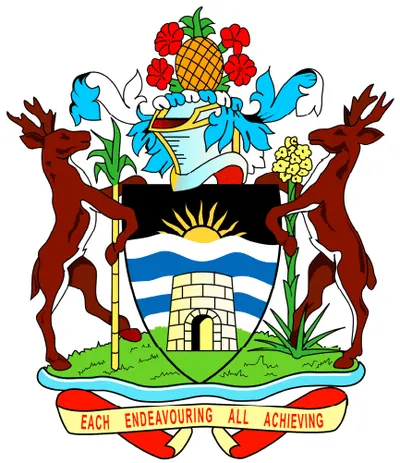
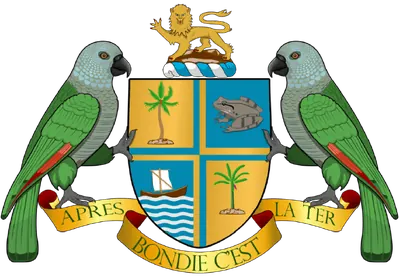
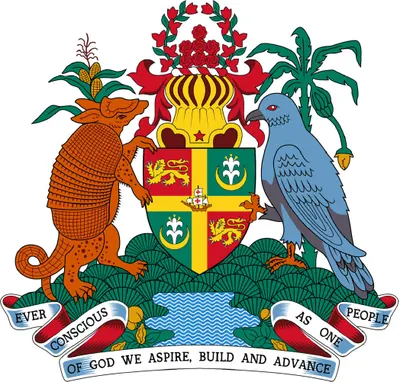
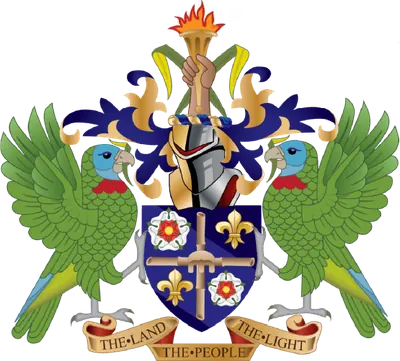
The Caribbean remains a hotspot for CBI, with St. Kitts and Nevis, Dominica, Grenada, Antigua and Barbuda, and St. Lucia leading the way. Meanwhile, countries like Austria, Malta, offer European alternatives, while the UAE and Portugal provide investor-friendly Golden Visa schemes.
Foreseeing Future of Wealth Migration
As the world moves towards greater economic fragmentation, individuals and businesses must think beyond borders. Mobility is no longer just an advantage—it is a necessity. Whether through strategic investments, global business expansions, wealth migration, or CBI programmes, the ability to navigate an increasingly divided world will determine financial success and security in the years to come.
In an era where restrictions are multiplying, the smartest players will be those who embrace the power of choice—unlocking new opportunities in an unpredictable world.